Toys support children’s learning, development and entertainment. However, products that do not meet applicable safety requirements may expose children to physical, chemical and other hazards. Common risks include injuries from sharp edges or points, choking caused by small parts, finger entrapment in gaps or moving components and potential exposure to hazardous substances such as certain heavy metals and phthalates. Battery-operated toys may also present electrical or battery-related hazards, while excessive sound levels may pose risks to children’s hearing.
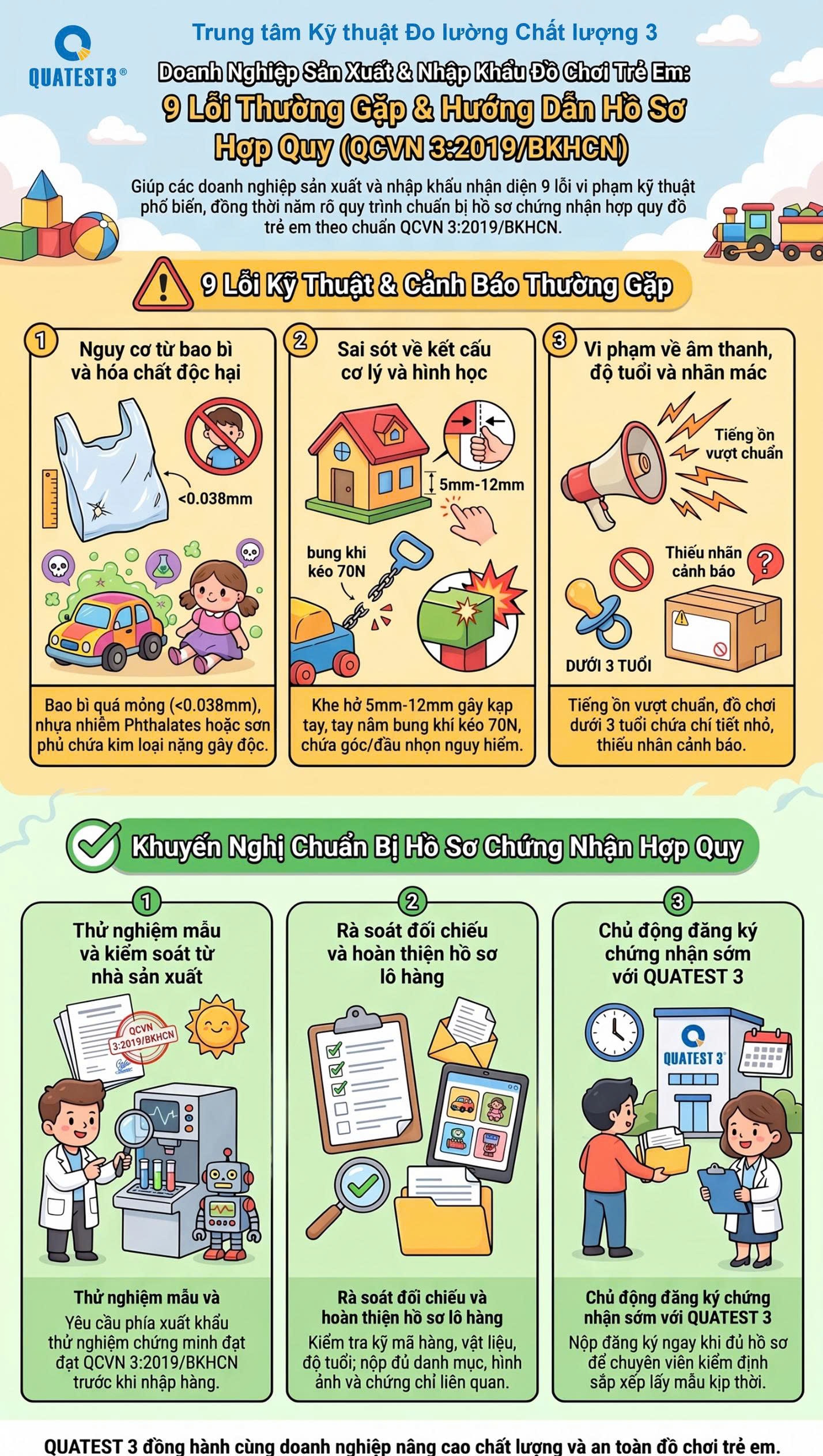
Through its testing and conformity assessment activities, the Quality Assurance and Testing Center 3 (QUATEST 3) has identified various technical non-conformities in children's toys, including:
- Non-compliant plastic packaging: Packaging that fails to meet applicable thickness requirements or lacks the required ventilation holes.
- Excessive phthalate content: Certain plastic components, including PVC parts and decorative stickers, containing phthalates above permitted limits.
- Heavy metals in paints and coatings: Concentrations of certain heavy metals exceeding applicable limits.
- Unsafe gaps and moving parts: Inadequate clearances between wheels and toy bodies or around hinges, potentially creating finger-entrapment hazards.
- Detachable components: Handlebar end caps or other components that detach when subjected to the specified test conditions.
- Sharp points and edges: Inadequately protected parts that may cause injury.
- Excessive sound levels: Sound-producing toys that exceed applicable limits.
- Small parts and inadequate warnings: Detachable components that may present choking hazards for children under three, or product labels that lack required safety warnings and age-related information.
These examples demonstrate why product safety should be verified before toys enter the market, rather than relying solely on product appearance or supplier declarations.
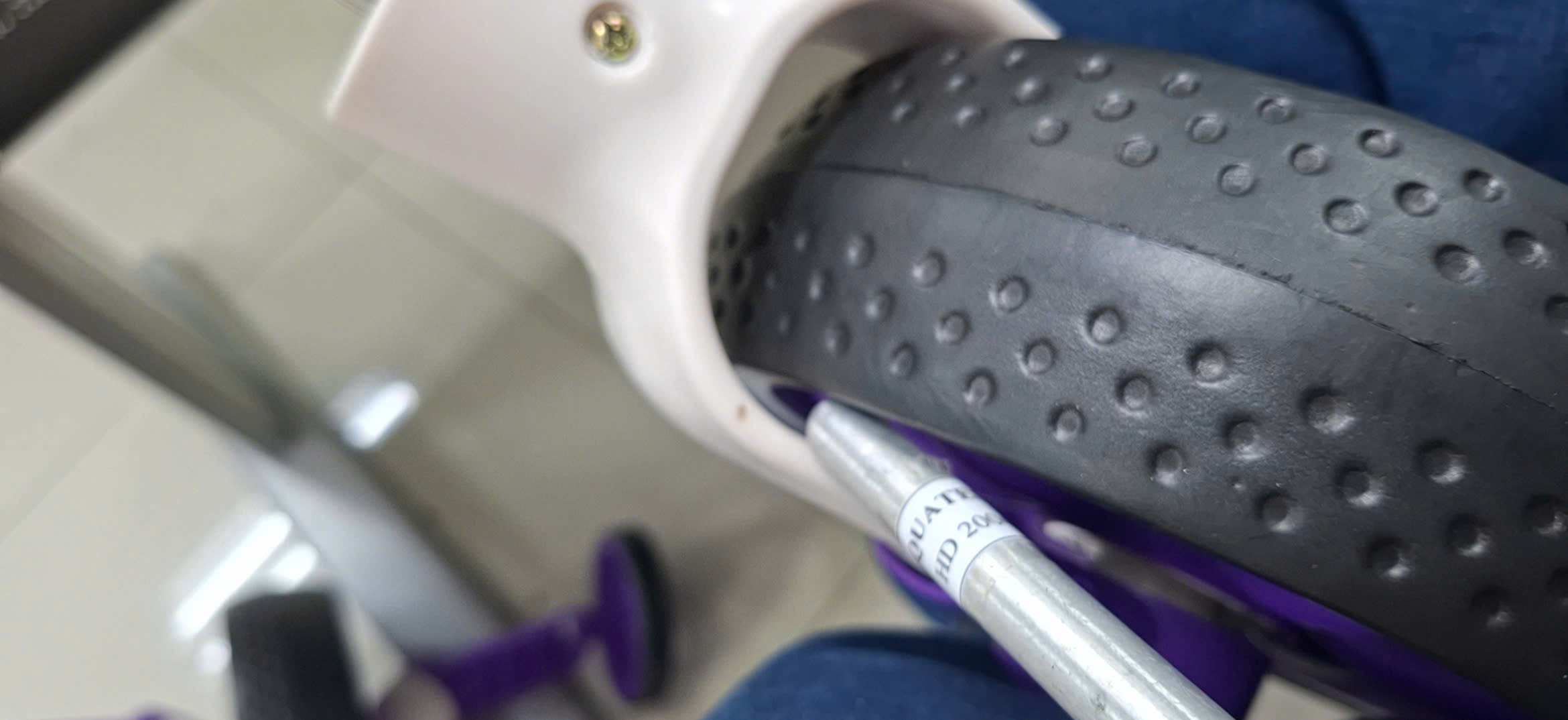
A gap between a toy vehicle's wheel and body that does not meet applicable safety requirements.
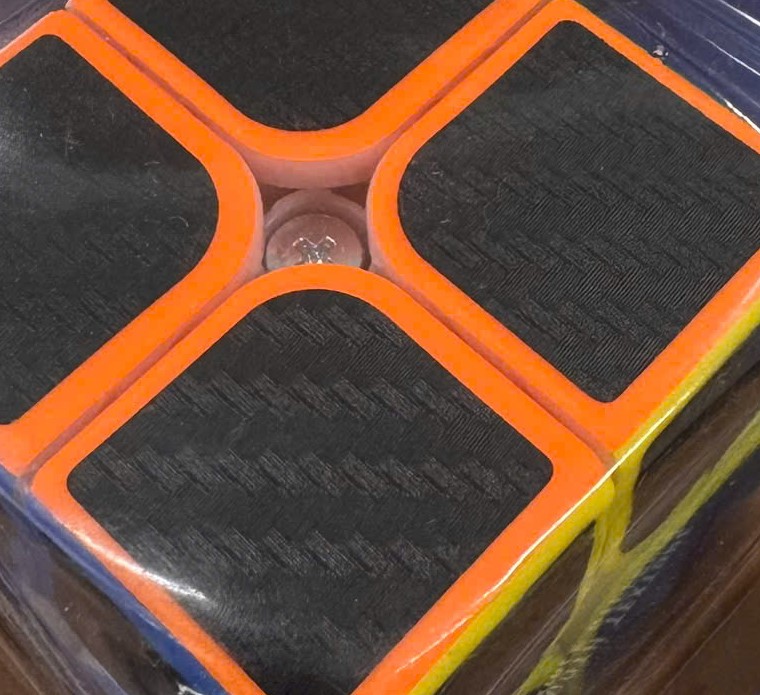
A decorative sticker containing phthalates above the permitted limit.
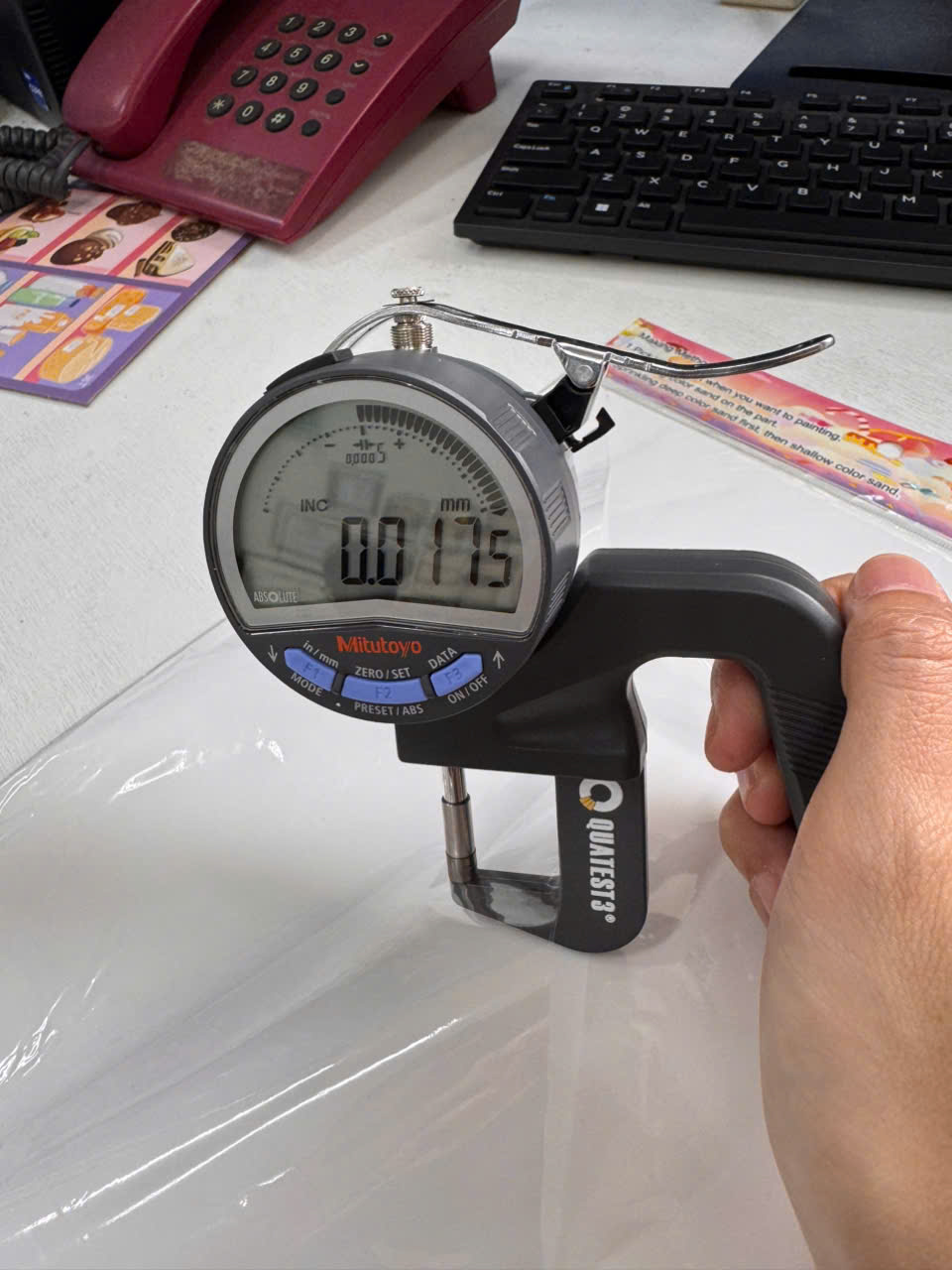
Plastic packaging film that does not meet applicable requirements.
Circular No. 36/2026/TT-BKHCN reinforces a risk-based approach to product management, highlighting the importance of preventive quality control for high-risk products such as children's toys. Depending on the product, its classification and the applicable regulatory provisions, businesses may need to fulfil requirements relating to technical regulation compliance, conformity assessment, conformity certification and state quality inspection before placing products on the Vietnamese market.
Importers should therefore review the applicable requirements for their specific products and ensure that all required procedures are completed at the appropriate stage. Early preparation can help reduce the risk of non-conformities, delays and unnecessary costs during the import process.
QUATEST 3 provides testing and conformity assessment services for children's toys within its applicable scope of competence and official designation and supports businesses in evaluating toy safety against QCVN 3:2019/BKHCN and relevant Vietnamese standards, including applicable parts of the TCVN 6238 series. These activities help businesses identify potential non-conformities and make informed decisions about product compliance.
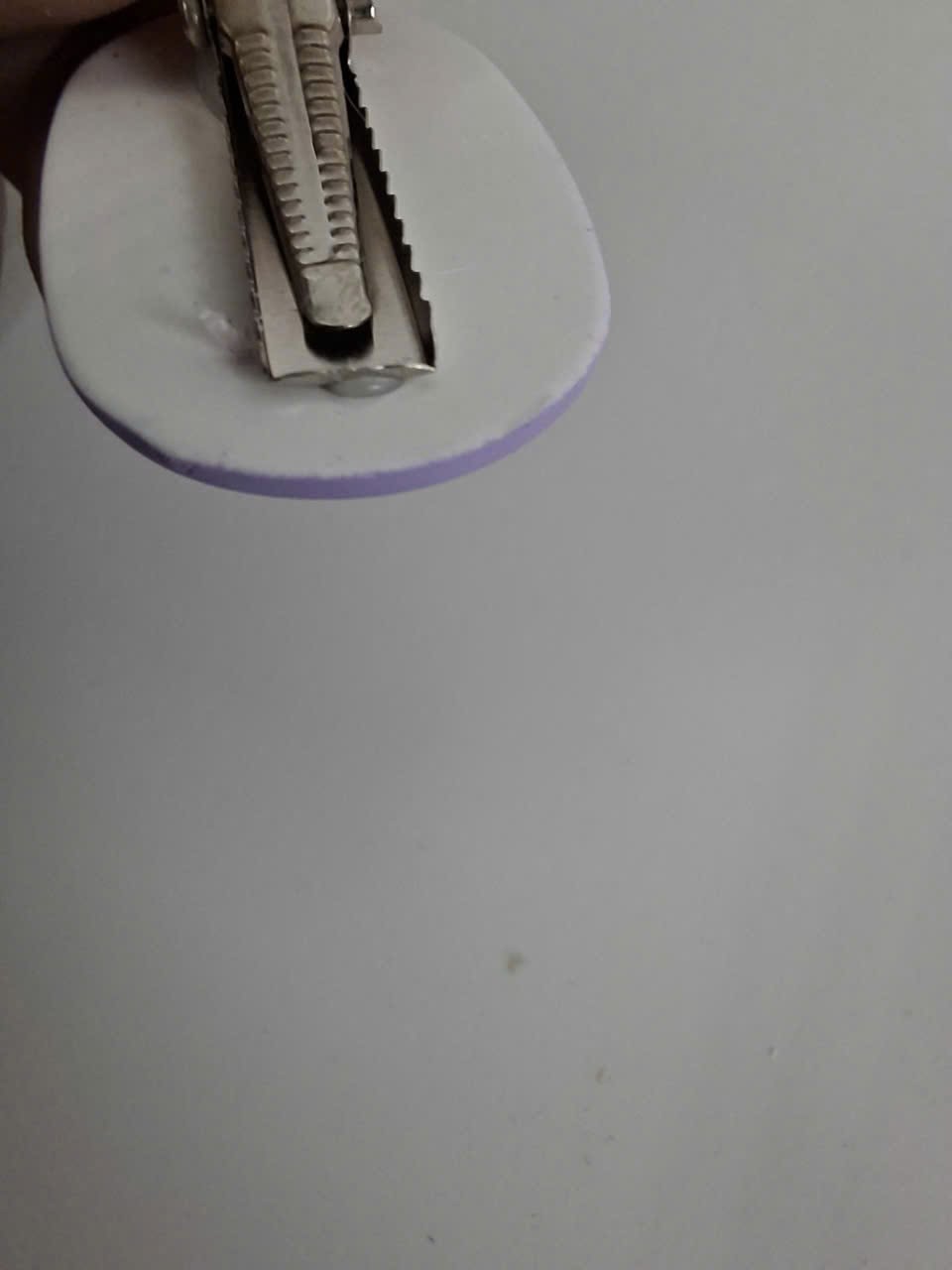
A toy with sharp edges.
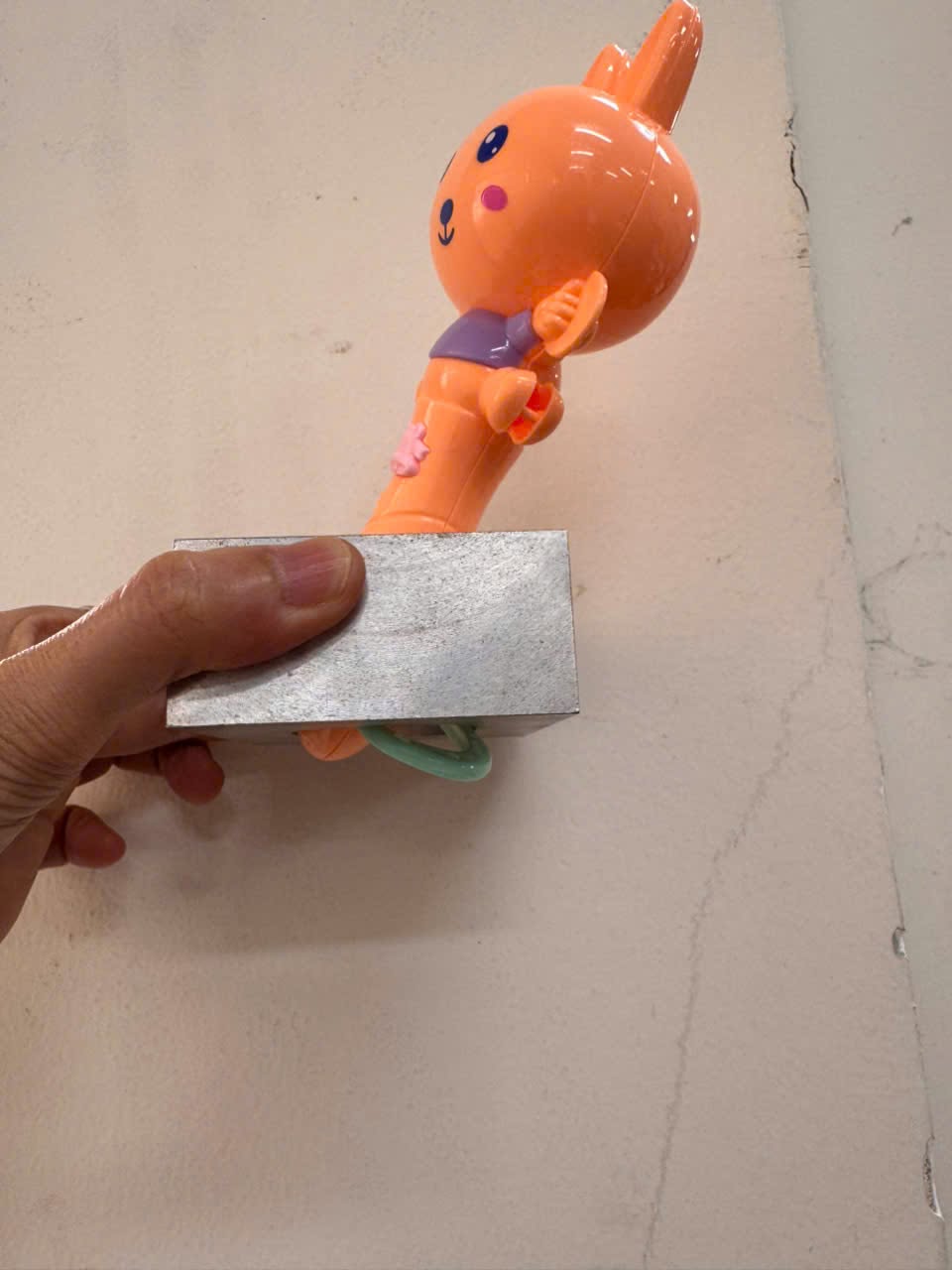
A toy component protruding beyond the base of test gauge A-1.
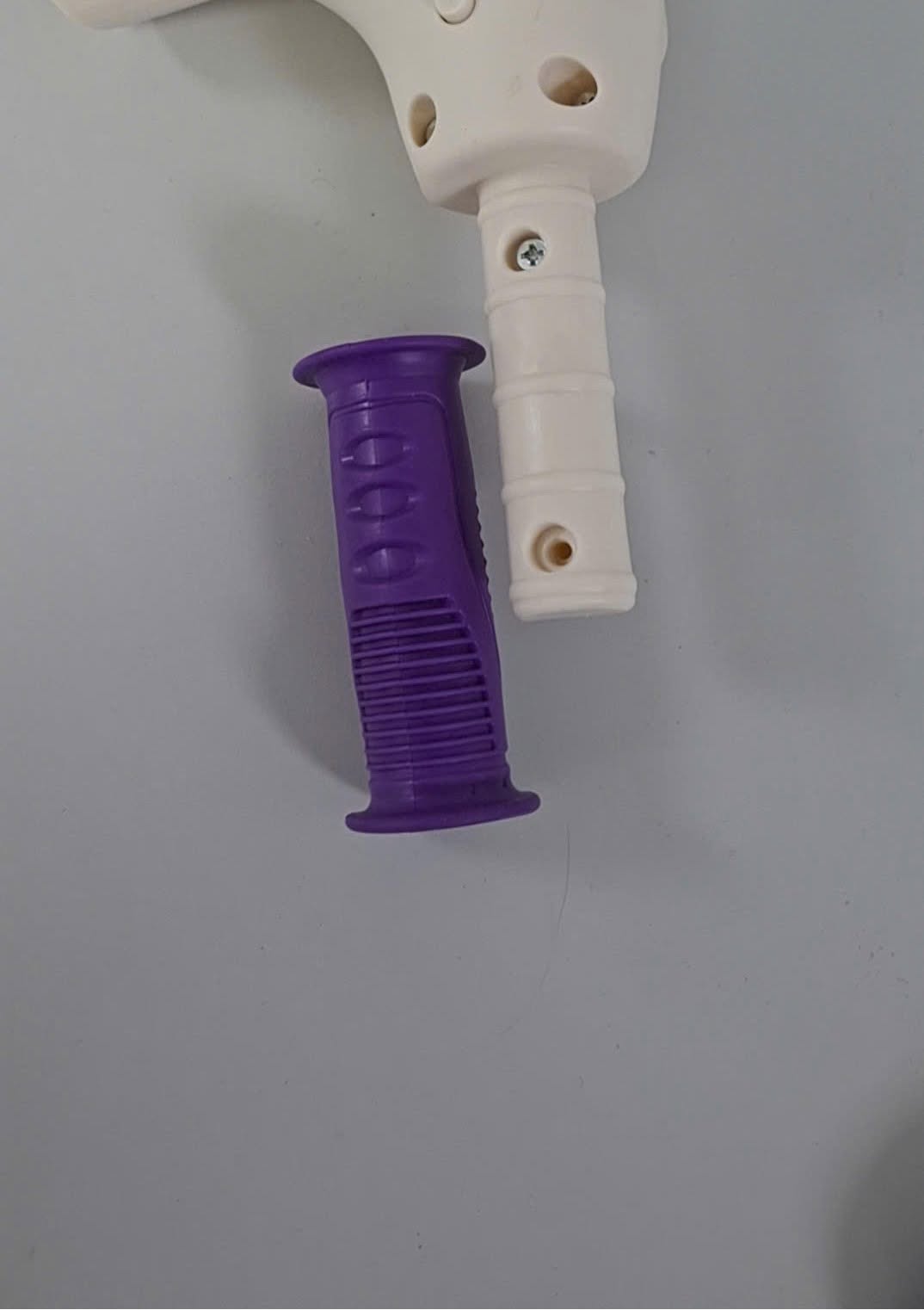
A detached handle.
Depending on the applicable assessment scheme and the services within QUATEST 3’s scope, relevant procedures may include:
Method 5: Assessment of the manufacturing process combined with testing of representative product samples.
Method 7: Sampling, testing and assessment of a specific product lot.
The appropriate method depends on the applicable requirements and assessment scheme. Businesses are encouraged to contact QUATEST 3 to confirm the relevant procedures, documentation and service scope before submitting an application.
To support a smoother assessment process and reduce the likelihood of non-conformities, importers are encouraged to take the following steps:
1. Before placing an order
- Request relevant test reports and supporting evidence of compliance from the manufacturer or exporter.
- Consider testing representative samples before confirming an order.
- Review product materials, specifications, intended age group, labels and safety warnings.
2. When preparing an assessment application
- Ensure that the actual goods match the submitted documentation, including product codes, descriptions and quantities.
- Prepare complete product information, photographs, material details and relevant supporting documents.
- Provide available quality certificates or test reports, where applicable.
- Contact QUATEST 3 early to confirm documentation requirements and allow sufficient time for sample collection and assessment arrangements.
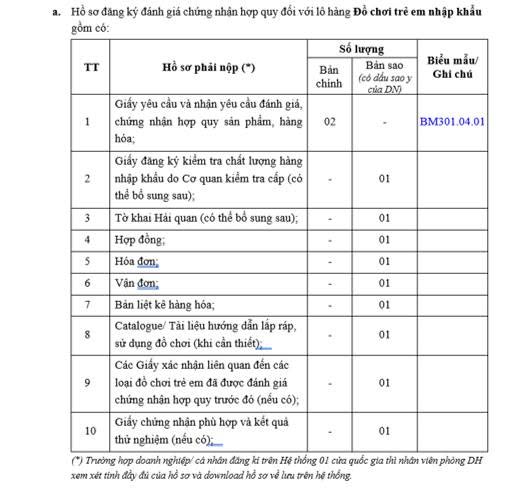
Importers are advised to prepare the required documentation for toy product assessment at QUATEST 3 in accordance with the checklists provided above.
Product safety is both a regulatory responsibility and a commitment to protecting children, safeguarding brand reputation and building consumer confidence.
By proactively identifying potential risks and meeting applicable safety requirements, businesses can contribute to a safer marketplace for children in Vietnam. QUATEST 3 is ready to support businesses through its testing and conformity assessment services within its applicable scope.
For inquiries regarding children's toy testing and conformity assessment services, kindly contact QUATEST 3 @Transaction Office for Inspection, Safety Inspection and Certification:
Address: 1st Floor, Room 102, 49 Pasteur Street, Sai Gon Ward, HCMC, Vietnam
Working hours:
- Monday-Friday: 7:30 AM-4:30 PM
- Saturday: 7:30 AM-11:30 AM
Telephone: +84 28 3829 4274
- Service registration/Result inquiries - EXT: 1101, 1121, 1141, 1161
- Quotation/Consultation - EXT: 1302, 1322, 1304
- Additional hotline: +84 28 3829 3012
Email: qn@quatest3.com.vn
QUATEST 3